Large-format slab fixing system
Large-format, low-absorption finishes demand careful substrate flatness, interface preparation, adhesive deformability and contact coverage.
EasyPlas / Solutions
Understand the location and substrate before selecting the system.
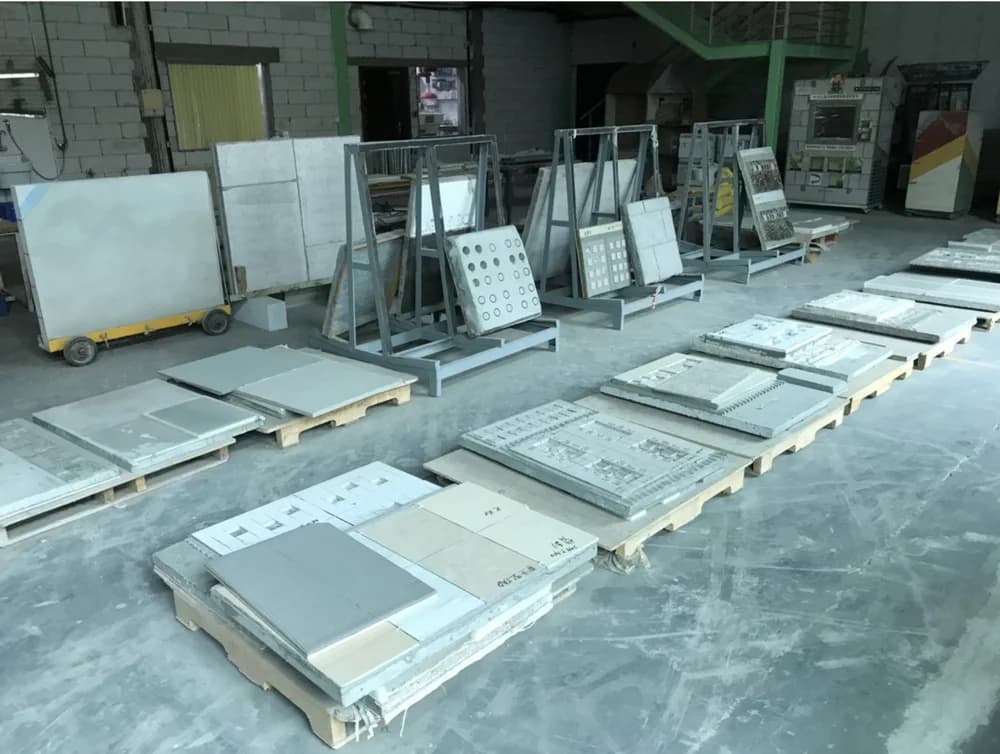
Consider the substrate, material roles and junctions together, rather than choosing a model in isolation.
Large-format, low-absorption finishes demand careful substrate flatness, interface preparation, adhesive deformability and contact coverage.
Review wet-area substrates, drainage and penetrations, then coordinate waterproofing, protection and finish fixing.
Define water exposure, substrate and junction details, and review compatibility of waterproofing and finish materials.
Start with the leak cause and frame-to-wall junction, checking fixing, filling and adjacent waterproofing together.
DW2050 and DW1030 are alternatives selected for the junction conditions, not two mandatory layers.
Consider ALC substrate preparation, panel joints, rendering and subsequent finishes as a whole.
Review finish size, substrate condition, exposure and installation details. A model name alone does not define the facade method.
Select underlayment and preparation steps based on substrate flatness, subsequent coverings and programme.
SLU-925 is a self-levelling underlayment; SLO-924 is an overlayment. FH300 floor hardener is not a general refurbishment coating.
Grouting, repair and sculpting are distinct applications. Review locations, substrates and layers separately; do not interchange application parameters.
Consider NSG for grouting after checking the available space, substrate and project requirements.
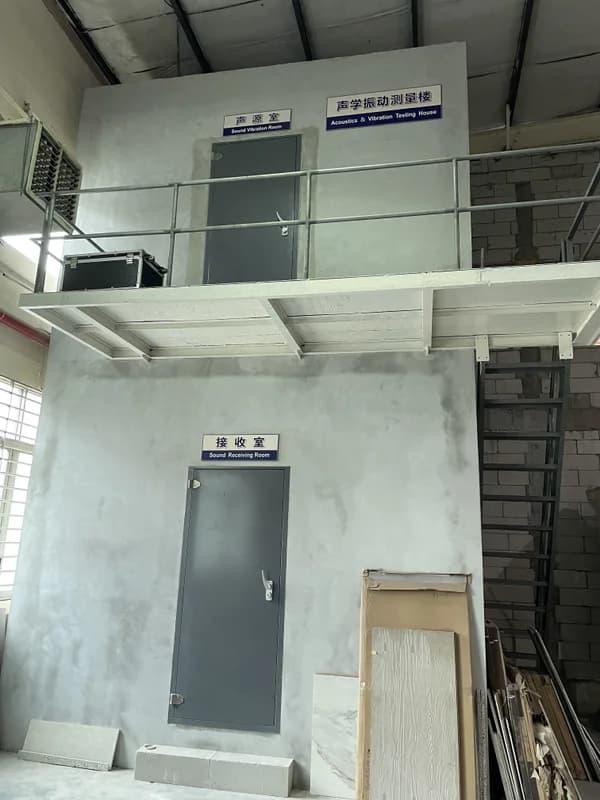
Discuss materials for floor impact-sound insulation or modular construction. Acoustic performance depends on the build-up and test conditions. Our modular offering is supporting materials, not manufactured homes.
Discuss material selectionTell us the location, substrate, application and programme
to start a focused material selection discussion.